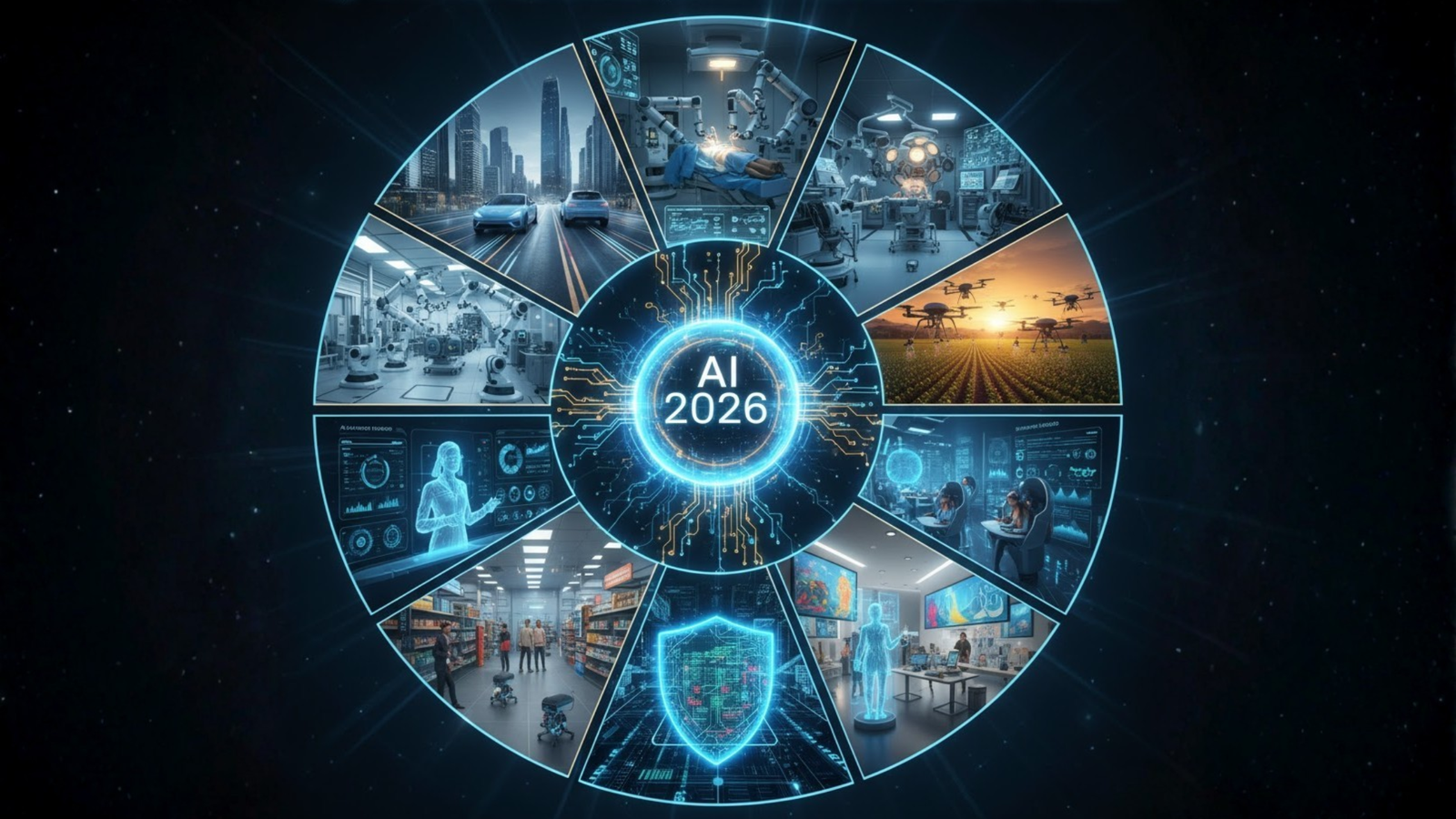
AI has moved from a sci-fi idea to a real-world powerhouse. Today, in 2026, it’s reshaping industries, supercharging innovation, and revolutionizing how businesses make decisions across the globe.
From healthcare systems diagnosing diseases faster than doctors to AI-driven marketing campaigns optimizing every click, the influence of intelligent algorithms is everywhere. Businesses are using AI not just as a tool but as a strategic partner in growth.
In this blog, we’ll explore 10 real-world examples of how AI is revolutionizing different industries in 2026, proving that the AI revolution isn’t coming—it is already here.
AI in Healthcare: Diagnosing Diseases Faster and Smarter
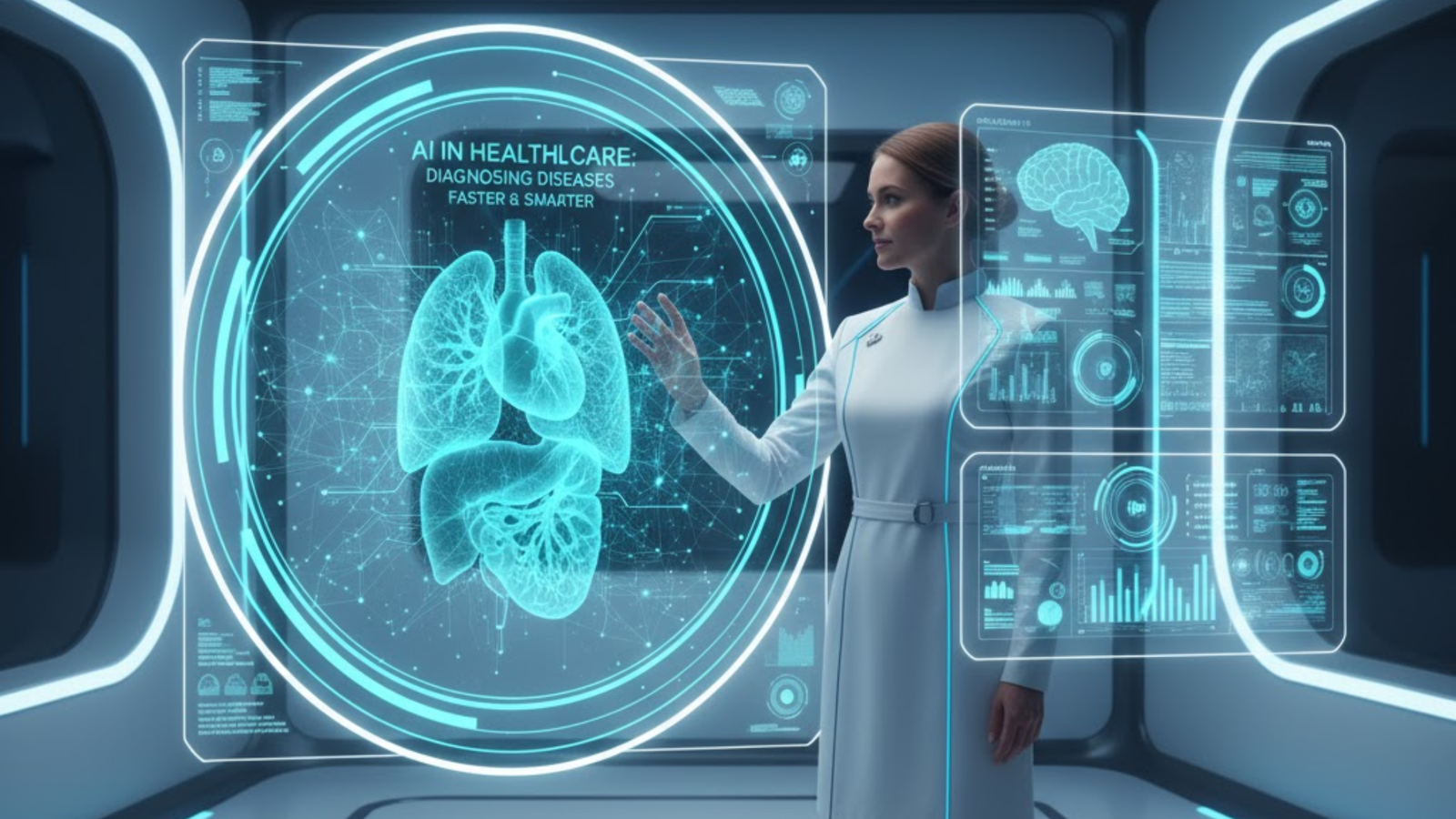
In 2026, AI is revolutionizing healthcare by enabling faster, more accurate diagnoses and personalized treatment plans. Tools like Google DeepMind’s AI models can now detect over 50 eye diseases from retinal scans, while IBM Watson continues to assist oncologists in identifying the most effective cancer treatments.
Hospitals use predictive analytics to forecast patient admissions, reducing wait times and optimizing staff allocation. AI-powered wearables and remote monitoring devices are also transforming preventive care, helping detect early signs of heart disease or diabetes.
With such advancements, AI in healthcare is saving lives, reducing costs, and making medical care more accessible than ever before.
AI in Education: Personalized Learning Experiences
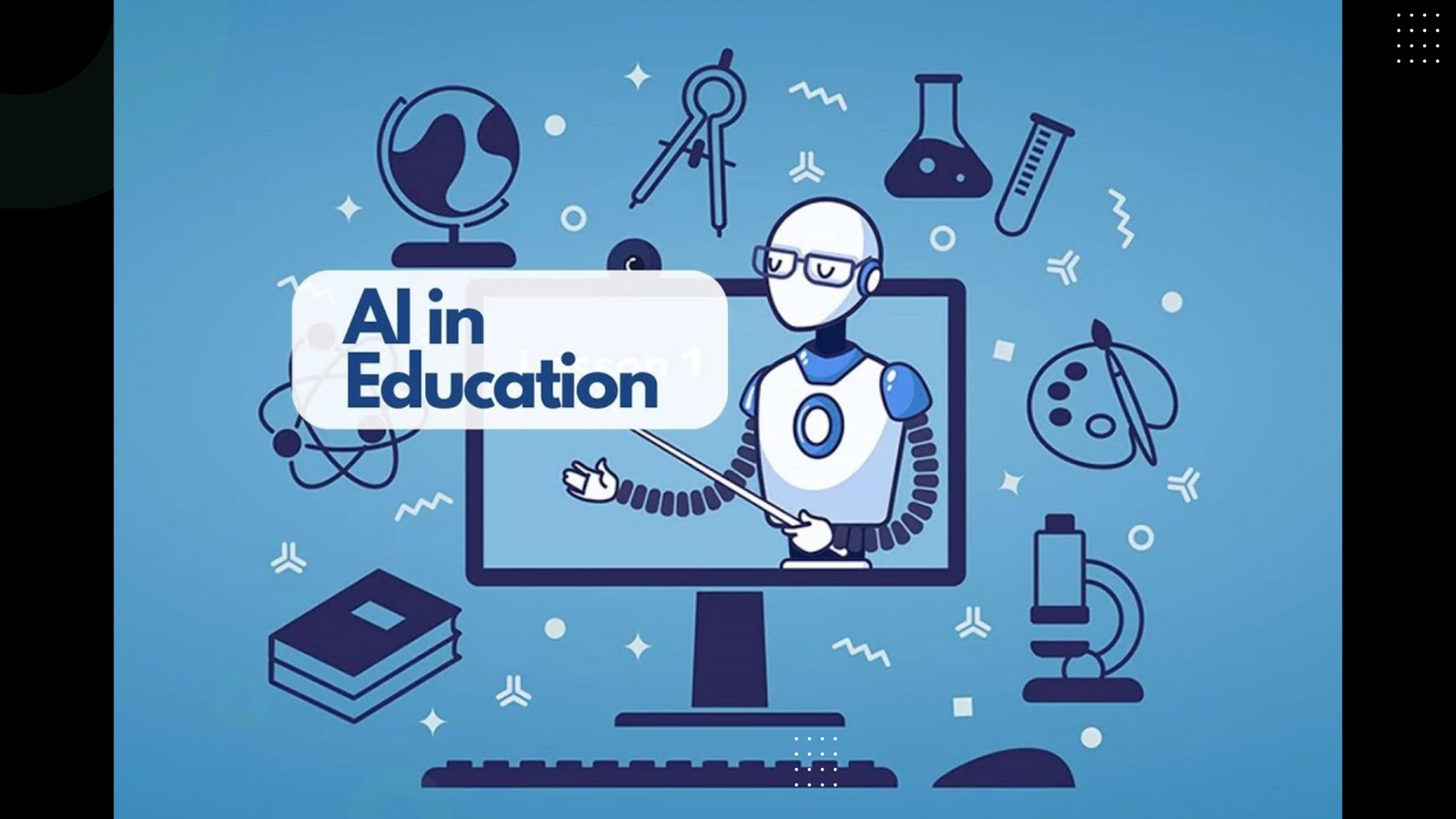
AI is revolutionizing education by turning traditional classrooms into adaptive learning ecosystems. Platforms like Coursera and Duolingo now use machine learning to personalize lessons based on student performance and learning style.
In 2026, schools and universities will leverage AI-driven analytics to identify struggling students early, enabling teachers to offer timely support. Virtual tutors powered by natural language processing (NLP) provide 24/7 assistance, ensuring continuous learning beyond classroom walls.
The result? Smarter students, efficient educators, and a learning environment where AI transforms education into a personalized journey for every learner.
AI in Retail: Predictive Inventory and Smart Recommendations
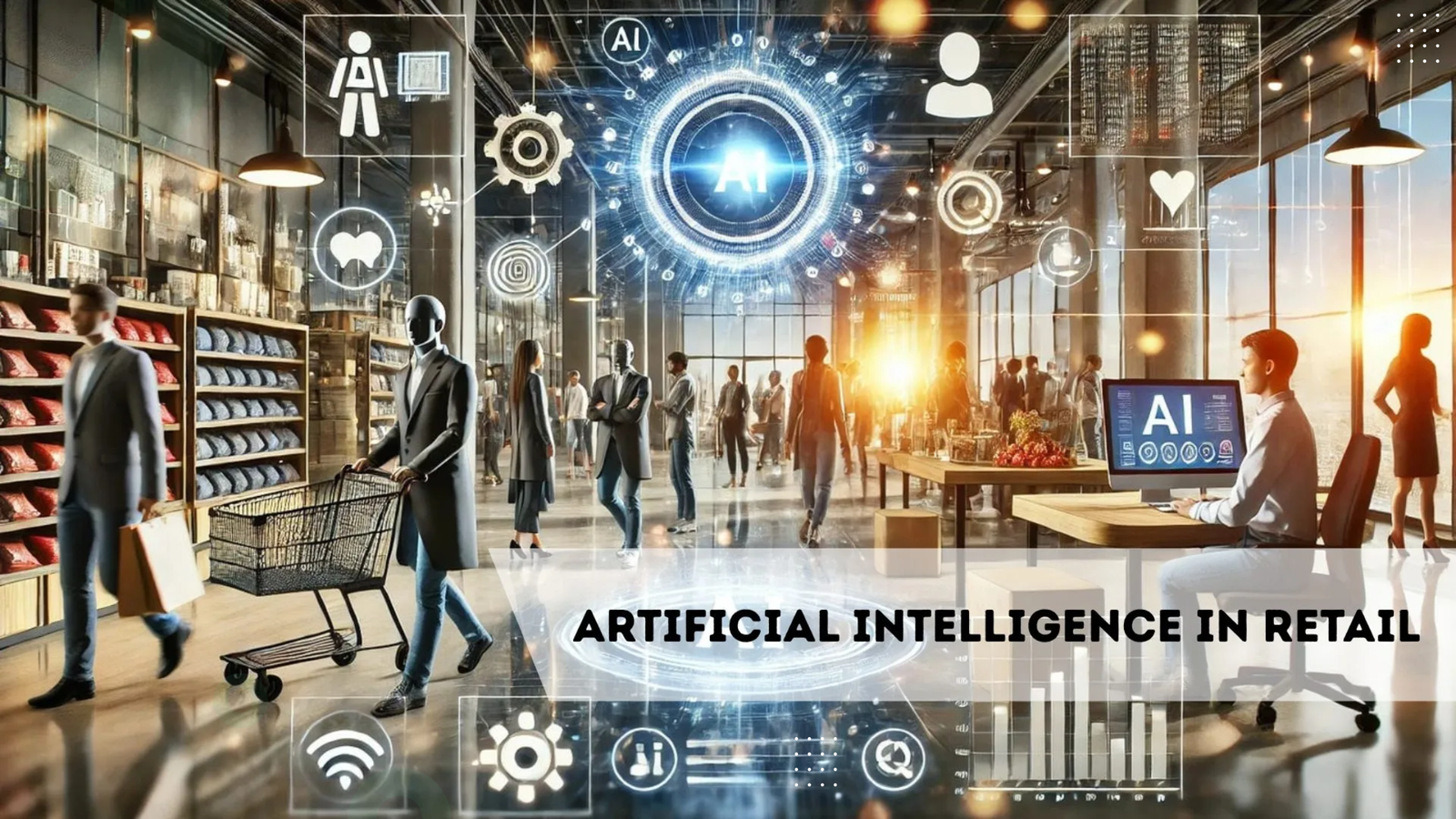
In retail, AI is revolutionizing business operations by predicting consumer behavior and optimizing inventory management. Retail giants like Amazon and Walmart use AI to anticipate demand trends, ensuring the right products are always in stock.
AI algorithms analyze billions of data points — purchase history, browsing behavior, and even local weather — to offer hyper-personalized product recommendations.
From virtual try-ons to AI-powered customer insights, AI in retail is driving sales, improving customer satisfaction, and helping brands stay ahead in a competitive digital landscape.
AI in Manufacturing: Automation and Predictive Maintenance
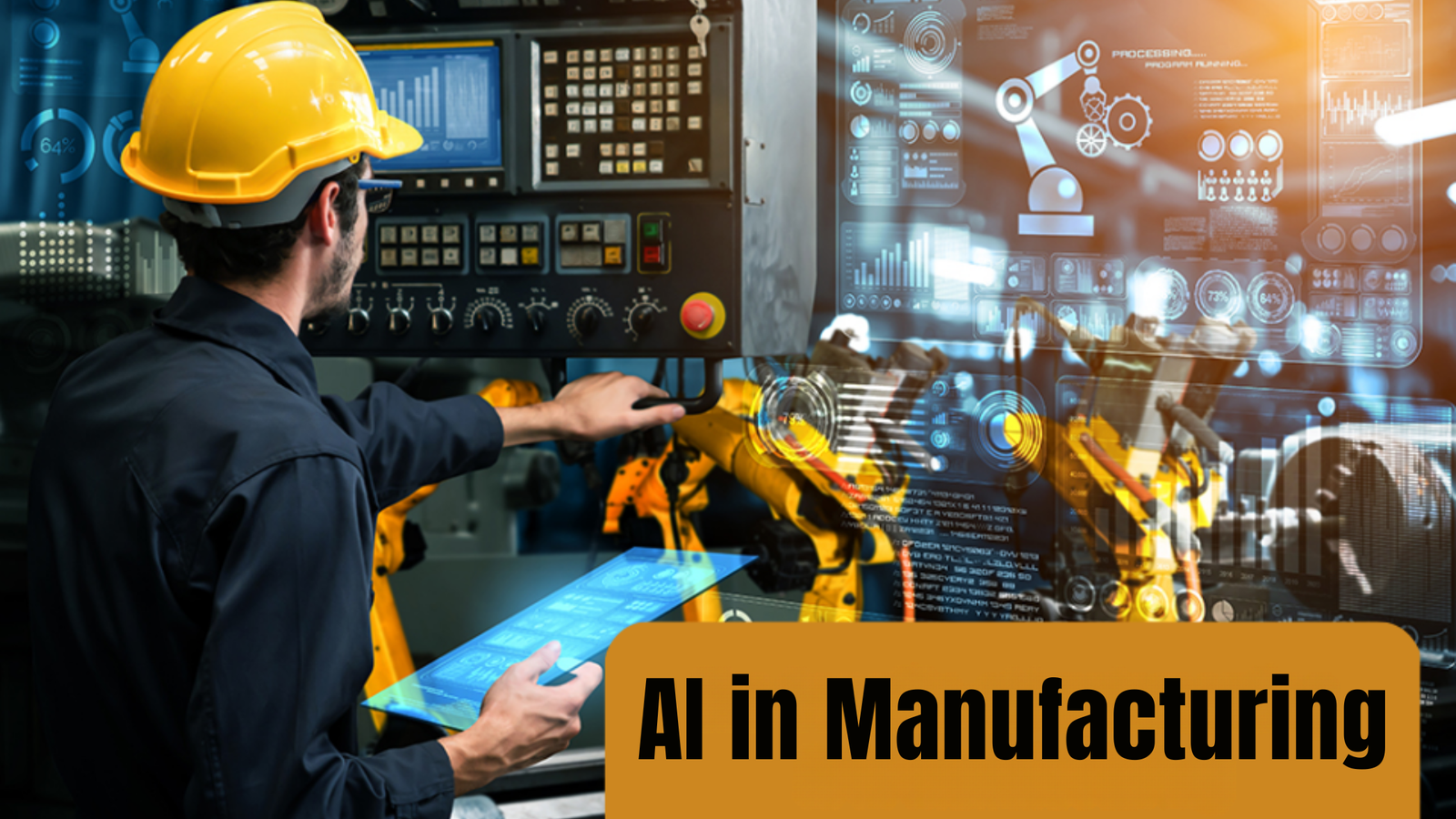
In 2026, AI is revolutionizing industries like manufacturing through advanced automation, robotics, and predictive maintenance. Factories equipped with IoT sensors and AI analytics can detect potential equipment failures before they happen, reducing downtime and repair costs.
AI-powered robots now perform repetitive tasks with unmatched precision, freeing human workers for creative and supervisory roles. For instance, Siemens uses AI to optimize production efficiency, while Tesla’s gigafactories rely heavily on AI-driven automation systems for seamless operations.
This combination of human expertise and AI efficiency marks a new era of smart manufacturing.
AI in Finance: Fraud Detection and Risk Management

AI in finance is one of the most impactful transformations of the decade. In 2026, banks and fintech companies will use AI to enhance security, detect fraud in real-time, and personalize customer services.
Machine learning algorithms analyze millions of transactions per second to identify suspicious patterns, preventing fraud before it occurs. Chatbots assist customers with banking needs, while predictive analytics help investors manage portfolio risks.
Whether it’s credit scoring, insurance underwriting, or algorithmic trading, AI is revolutionizing the financial sector, making it smarter, safer, and more efficient.
AI in Digital Marketing: Smarter Targeting and Campaign Optimization
AI is revolutionizing digital marketing by enabling hyper-personalized ad experiences and intelligent campaign strategies. With tools like Meta Andromeda and Google Performance Max, marketers in 2026 rely on AI to analyze user intent, behavior, and demographics to optimize ad spend.
AI algorithms can now write ad copies, generate creatives, and automatically A/B test them for maximum ROI. Real-time analytics dashboards give brands actionable insights to refine their marketing funnels.
This level of precision ensures AI-driven marketing campaigns deliver the right message to the right audience — every time.
AI in Agriculture: Precision Farming and Crop Prediction
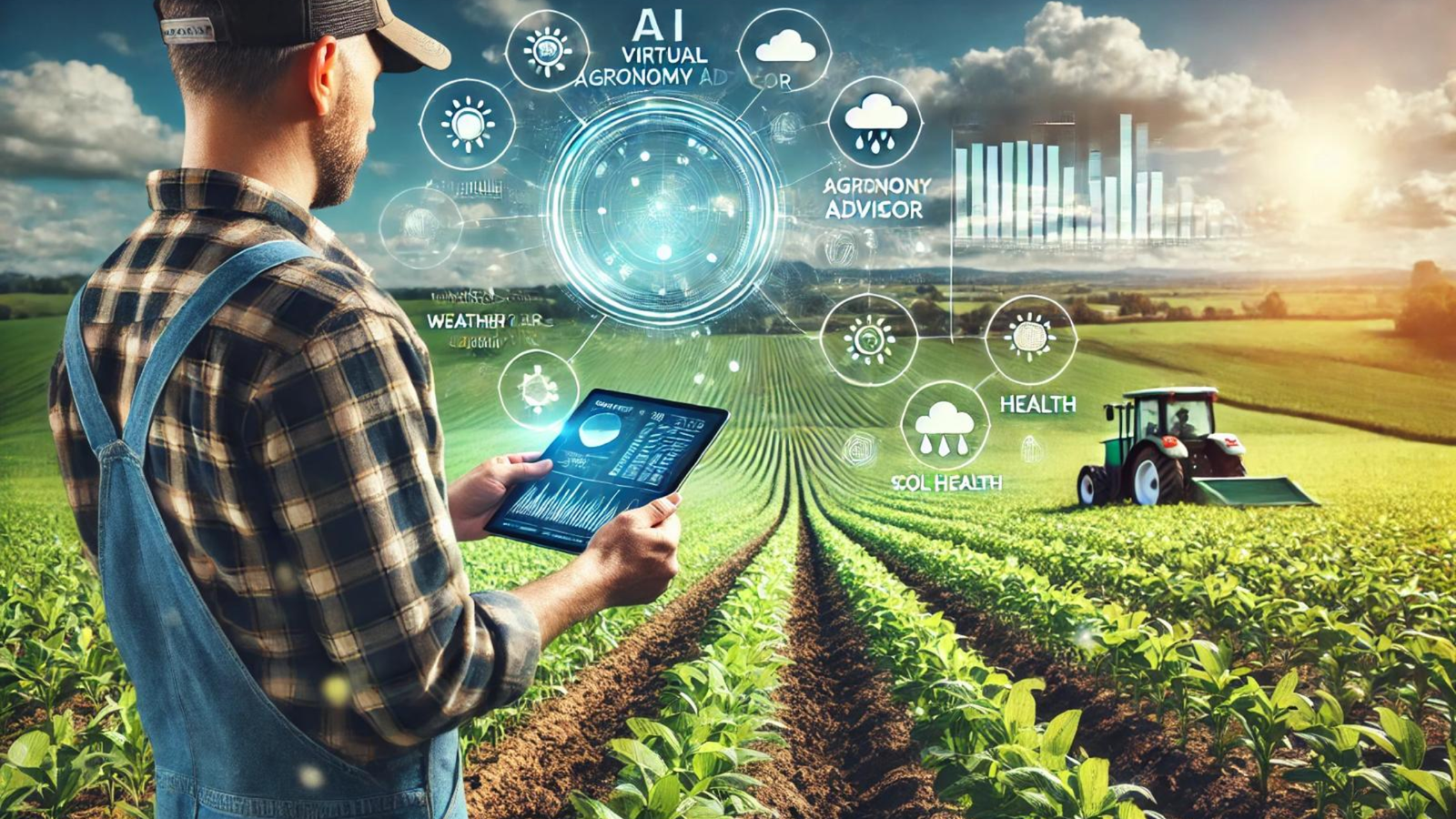
In the agriculture industry, AI is revolutionizing how farmers grow food and manage resources. AI-powered drones and sensors monitor soil health, crop growth, and weather conditions to provide actionable insights.
Predictive AI models help farmers forecast yields, detect pests early, and optimize irrigation schedules, reducing waste and increasing output. Startups like Cropin and John Deere’s See & Spray technology are leading this green-tech transformation.
By integrating AI with sustainable practices, AI in agriculture ensures food security and environmental balance for future generations.
AI in Transportation: Self-Driving and Route Optimization
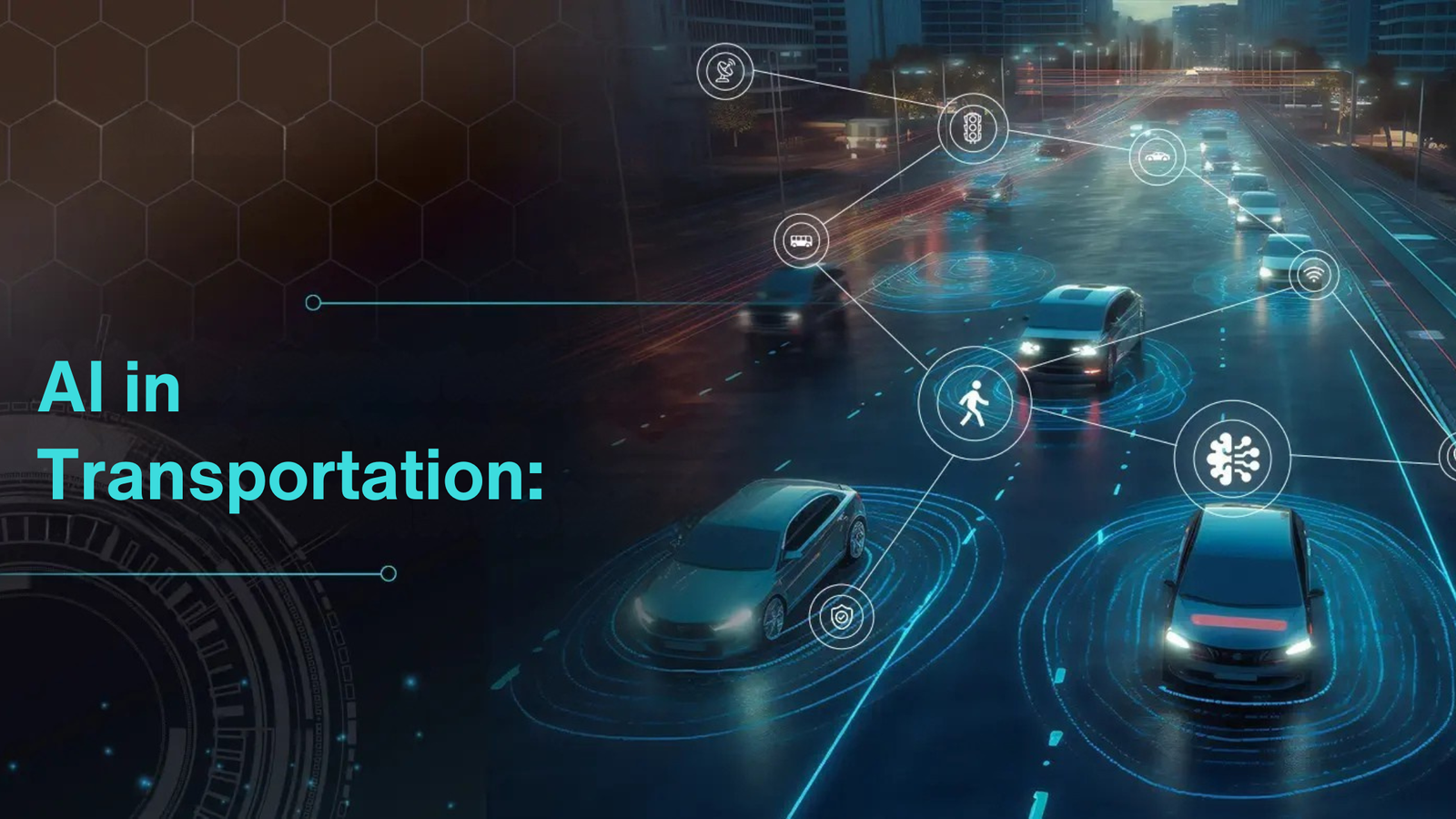
In 2026, AI in transportation has moved beyond concept cars — it’s mainstream. Autonomous vehicles from Tesla, Waymo, and Baidu now safely navigate real-world traffic using deep learning and computer vision.
AI systems also optimize logistics and public transportation routes, reducing fuel consumption and travel time. Airlines and shipping companies use AI to predict maintenance needs and streamline scheduling.
This shift is creating safer roads, cleaner cities, and more efficient transport networks — proving that AI is revolutionizing how the world moves.
AI in Real Estate: Predictive Market Insights
The real estate sector is another area where AI is transforming business intelligence. In 2026, property firms will use AI to analyze market trends, pricing data, and buyer preferences to forecast demand with incredible accuracy.
Platforms like Zillow and PropStream leverage machine learning for predictive property valuations, while AI chatbots guide customers through virtual home tours and mortgage pre-approvals.
For investors and developers, AI in real estate means smarter decisions, reduced risk, and a clearer view of market opportunities.
AI in Customer Service: Chatbots and Virtual Assistants

Finally, AI is revolutionizing industries by redefining customer experience. In 2026, over 85% of customer interactions are handled by AI-driven chatbots and virtual assistants capable of understanding emotions and intent.
Companies like Amazon, HDFC Bank, and Sephora use conversational AI to handle queries instantly, personalize recommendations, and improve customer retention.
With tools like ChatGPT Enterprise and Google Dialogflow, AI-powered customer service delivers faster, friendlier, and more efficient support around the clock.
How AI is Revolutionizing the World
AI is revolutionizing the world for businesses of all sizes, from startups to Fortune 500 companies, by driving innovation, boosting productivity, and supporting sustainable growth. Since 2023, global AI adoption has increased by 40%, and experts estimate that AI will add more than $15.7 trillion to the global economy by 2030.
AI’s adoption across various industries—spanning healthcare to digital marketing—reflects a shared goal: building a more intelligent, data-driven, and connected future.
The AI revolution 2026 marks a defining moment where human creativity and machine intelligence truly converge.
The Future Belongs to AI-Driven Innovators
Across these ten industries, AI is revolutionizing business and society worldwide. What was once considered science fiction has become part of everyday life — from identifying diseases to streamlining global logistics.
For entrepreneurs, business leaders, and innovators, the message is clear: embrace AI or risk being left behind.
The next wave of success belongs to those who leverage AI-driven strategies to innovate, adapt, and grow sustainably.
Stay ahead of the AI revolution — embrace innovation today.